About the Journal

CTE Workshop Proceedings is a Diamond Open Access peer-reviewed journal focused on the ways in which digital technology can enhance education. CTE Workshop Proceedings welcomes research papers on the pedagogical uses of digital technology where the focus is broad enough to be of interest to a wider education community: adaptive learning platforms, blended learning, cloud-based AI education applications, cloud-based e-learning platforms, tools and services, cloud-based learning environments, competency-based education platforms, design and implementation of immersive learning environments, digital transformation of education, educational data mining, emotion AI, immersive technologies, mobile learning, VR/AR gamification etc.

Announcements

CTE Workshop Proceedings editorial activity report (2025)

2026-05-17

Discover the operational updates from the CTE Workshop Proceedings 2025 annual report. This year’s metrics reflect a strong, highly active publication pipeline with 24 papers published, alongside a 27% acceleration in processing times - bringing first editorial decisions down to an efficient 56 days. Read the full report to explore our peer-review trends and workflow efficiency strategies for the upcoming cycle.

Read more about CTE Workshop Proceedings editorial activity report (2025)

Current Issue

Vol. 13 (2026)
					View Vol. 13 (2026)

In this issue:

Published: 2026-03-21
  • Artificial intelligence in education and science: imaginary threats or new opportunities?

    Yaroslav Shramko
    1-5
    Views: 502Downloads: 399
    DOI: https://doi.org/10.55056/cte.1140
  • Methodological evolution in educational technology research: a paradigm-sensitive narrative review of ICT integration studies

    Olena Yu. Tarasova, Olena L. Pinska, Halyna I. Alieka, Natalia V. Moiseienko
    6-26
    Views: 1176Downloads: 511
    DOI: https://doi.org/10.55056/cte.1131
  • The evolution of cloud computing in education: from Hype Cycle to mainstream adoption (2012-2024)

    Olha V. Chorna
    27-41
    Views: 1234Downloads: 698
    DOI: https://doi.org/10.55056/cte.952
  • Regional trends in the implementation of artificial intelligence in the system of teacher training in distance learning during martial law

    Nataliia Osypova, Olena Kokhanovska, Iryna Zhorova
    42-57
    Views: 759Downloads: 409
    DOI: https://doi.org/10.55056/cte.982
  • Modelling information-communicative competence for AI-era designers

    Oleksandr O. Musiienko
    58-75
    Views: 923Downloads: 461
    DOI: https://doi.org/10.55056/cte.1277
  • Tutors' perceptions of ICTs in promoting computational thinking among pre-service teachers in Tanzanian colleges

    Vicky Mrosso, Placidius Ndibalema, Abdon Ephrem
    76-91
    Views: 660Downloads: 503
    DOI: https://doi.org/10.55056/cte.902
  • Integrating ICT in science lessons to promote science teachers' competencies in Tanzania

    Angelina Kanyabwoya, Huruma Olofea Bwagilo, Samweli Tumaini Mugaya
    92-109
    Views: 480Downloads: 323
    DOI: https://doi.org/10.55056/cte.1066
  • Primary school teachers using mobile smartphone applications for professional development in Monduli District, Arusha Region

    James James Makula, Francis Kyambo William, Festo Beda Nguru
    110-120
    Views: 555Downloads: 445
    DOI: https://doi.org/10.55056/cte.985
  • Empowered through digital social media: exploring university students' perceptions and engagement with sustainability practices

    Raymond Mutasingwa Bitegeko, Abdallah Jacob Seni
    121-142
    Views: 652Downloads: 328
    DOI: https://doi.org/10.55056/cte.1085
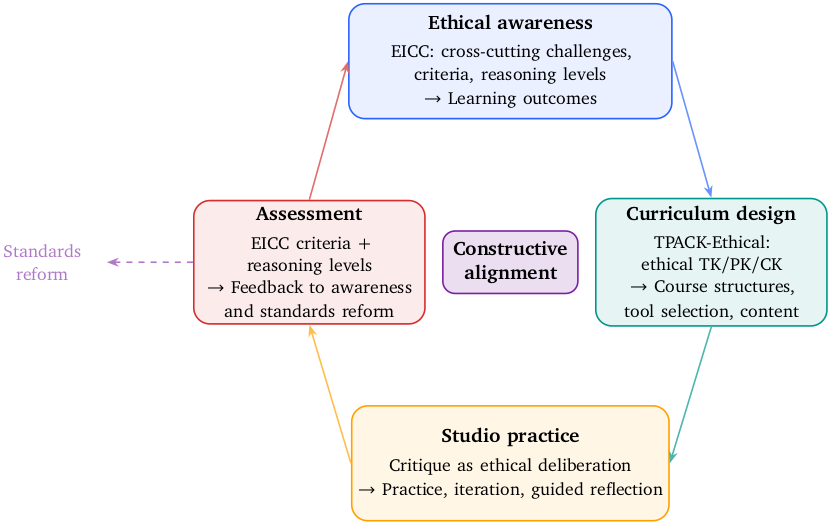
  • When machines create, who takes responsibility? An ethical competence framework for graphic design education in the age of generative AI

    Yuliia V. Yechkalo
    143-160
    Views: 718Downloads: 382
    DOI: https://doi.org/10.55056/cte.1278
  • Digital transformation of education in Kryvyi Rih, Ukraine (2019-2025): a multi-framework comparative analysis of infrastructure development and digital learning ecosystems

    Vita A. Hamaniuk, Tetiana P. Kripak
    161-173
    Views: 357Downloads: 218
    DOI: https://doi.org/10.55056/cte.989
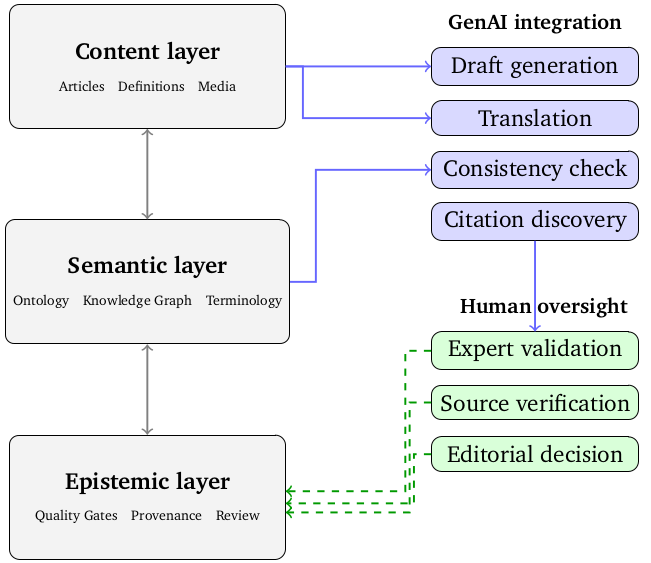
  • Encyclopedic web resources and generative artificial intelligence: a methodological dimension

    Valerii Yu. Bykov, Olha P. Pinchuk
    174-188
    Views: 1097Downloads: 292
    DOI: https://doi.org/10.55056/cte.990
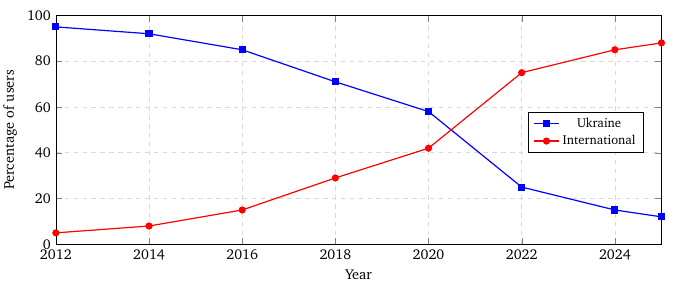
  • Behavioral analytics as FAIR impact proxies: a longitudinal study of Digital Library NAES of Ukraine  (2012-2025)

    Alla V. Kilchenko, Svitlana M. Ivanova, Tetiana L. Novytska, Mykola A. Shynenko
    189-205
    Views: 346Downloads: 178
    DOI: https://doi.org/10.55056/cte.1211
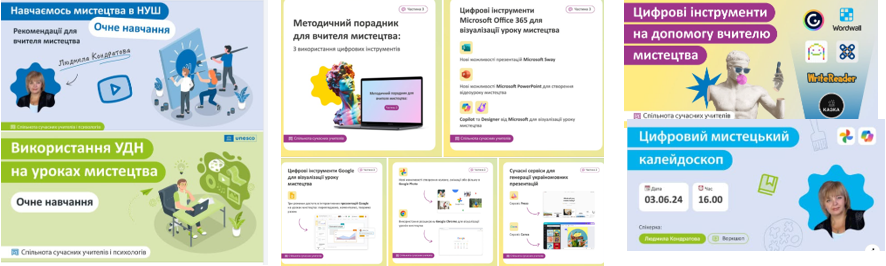
  • Postgraduate education system as an environment for the development of digital competence of an art teacher

    Liudmyla H. Kondratova
    206-220
    Views: 392Downloads: 304
    DOI: https://doi.org/10.55056/cte.1355
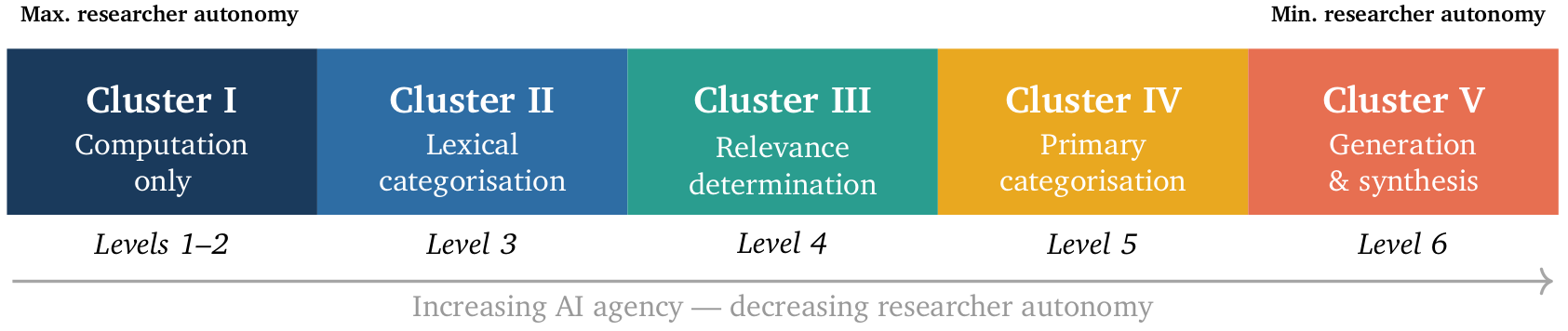
  • Classification of artificial intelligence tools for educational research by the criterion of research autonomy

    Tetiana A. Vakaliuk, Serhiy O. Semerikov, Oleh M. Spirin, Viacheslav V. Osadchyi, Vasyl P. Oleksiuk
    221-235
    Views: 1035Downloads: 355
    DOI: https://doi.org/10.55056/cte.1357
  • Reporting AI in education research: a methodological audit of 2025-2026 publications against an adapted TRIPOD-LLM checklist

    Iryna S. Mintii, Dmytro V. Verbovetskyi, Ostap Yu. Sirenko
    236-255
    Views: 431Downloads: 217
    DOI: https://doi.org/10.55056/cte.1397
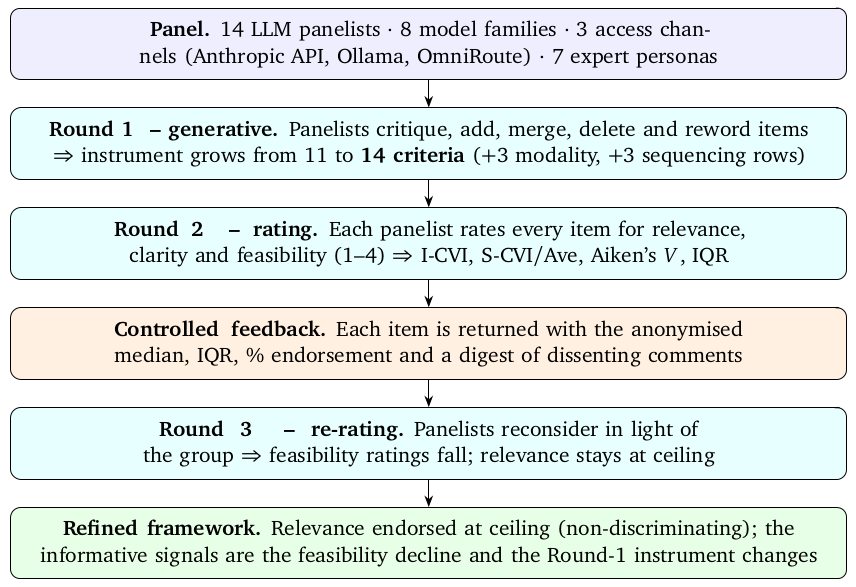
  • Designing the content component of immersive blended science learning: a CAMIL-grounded framework refined and pre-validated by a simulated multi-model Delphi panel

    Oleksandra M. Sokolyuk
    256-270
    Views: 302Downloads: 189
    DOI: https://doi.org/10.55056/cte.1415
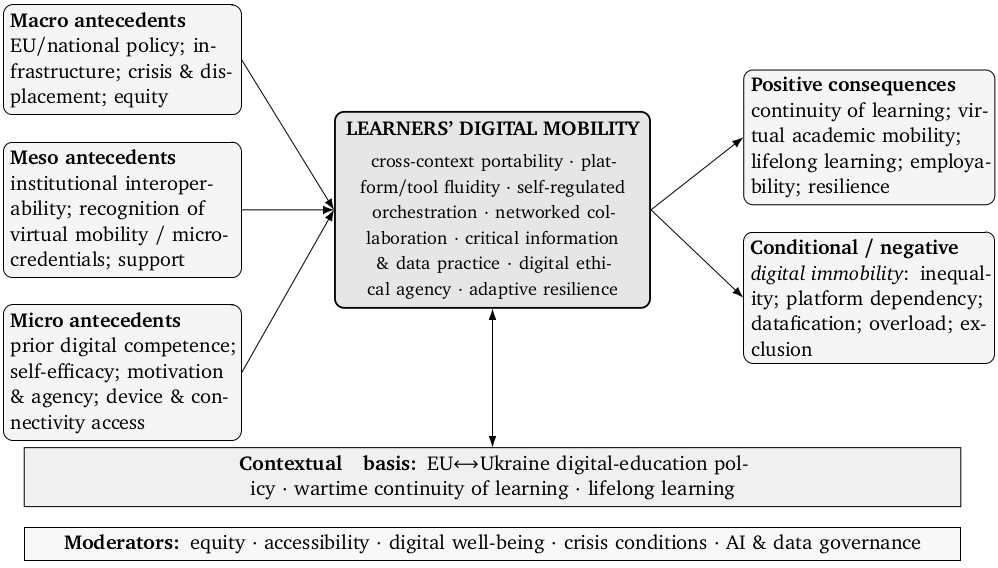
  • Learners' digital mobility: an evolutionary concept analysis and conceptual framework

    Vasyl I. Kovalchuk, Taras V. Kovalenko, Andrii V. Kovalchuk
    271-288
    Views: 323Downloads: 188
    DOI: https://doi.org/10.55056/cte.1435
  • Generative AI as a historical source: source criticism, citation integrity, and the jagged frontier of digital history

    Iryna A. Selyshcheva
    289-299
    Views: 2058Downloads: 625
    DOI: https://doi.org/10.55056/cte.1438
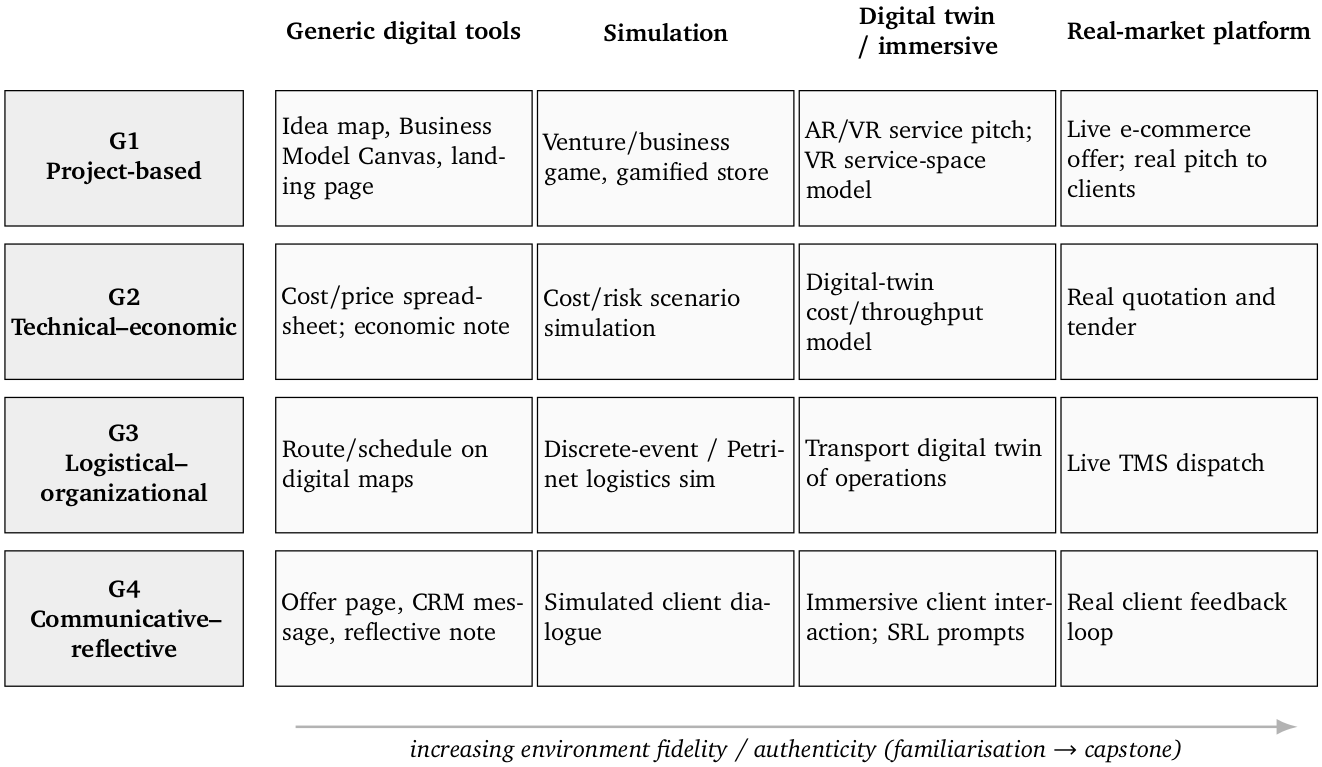
  • Digital entrepreneurial practices in automobile-transport vocational education

    Olena O. Lavrentieva, Yelisiei V. Kyrylenko
    300-318
    Views: 292Downloads: 126
    DOI: https://doi.org/10.55056/cte.1396
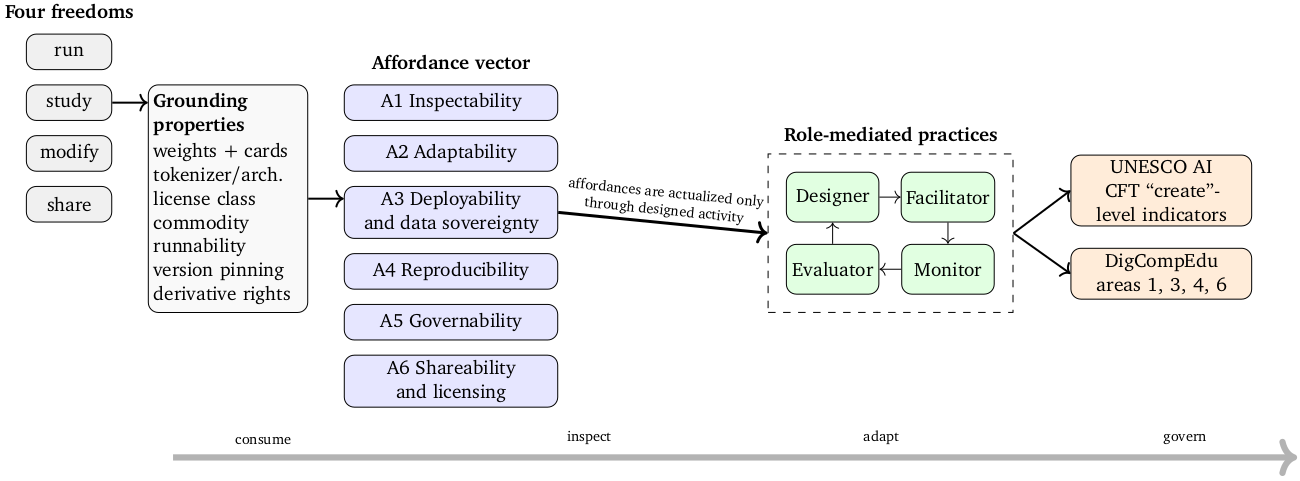
  • Openness as a pedagogical affordance: free and open-weight large language models in the preparation of informatics teachers

    Vladyslav Ye. Velychko
    319-342
    Views: 250Downloads: 148
    DOI: https://doi.org/10.55056/cte.1404
  • Providing scaffolding and feedback when reading authentic texts in the online lessons

    Oleksandr H. Kolgatin, Nataliia V. Tuchyna
    343-359
    Views: 252Downloads: 127
    DOI: https://doi.org/10.55056/cte.1457
  • Fixing the leaky pipeline: curriculum misalignment and STEM transition barriers in South Africa - a convergent mixed-methods study

    Ivan Magadza
    360-378
    Views: 205Downloads: 165
    DOI: https://doi.org/10.55056/cte.1135
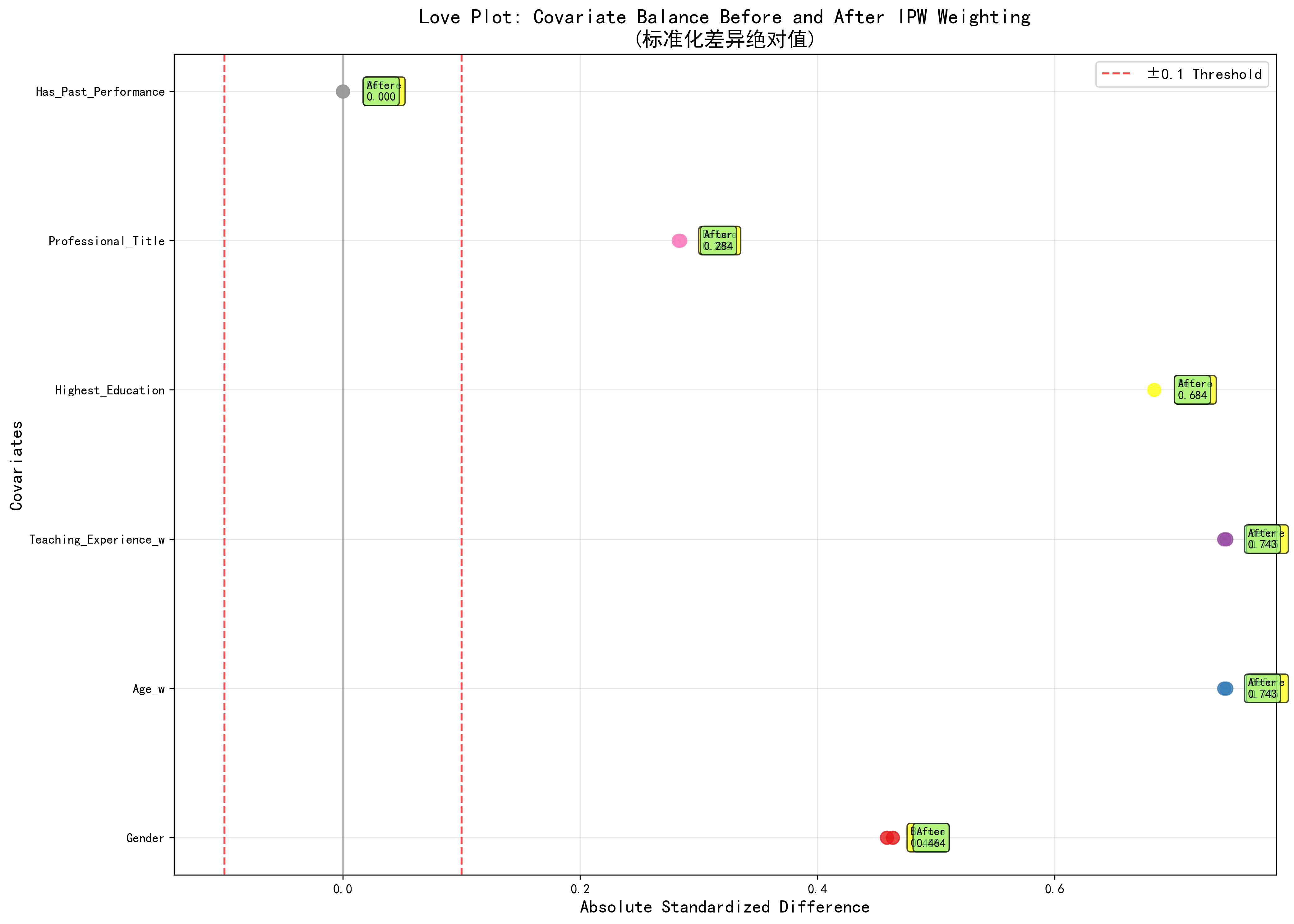
  • Teacher evaluation reform under China's "Double Reduction" policy: a quasi-experimental study based on the multi-source process evaluation model

    Xia Yang
    379-394
    Views: 268Downloads: 209
    DOI: https://doi.org/10.55056/cte.1190
View All Issues