Vol. 13 (2026)

In this issue:
- Artificial intelligence in education and science: imaginary threats or new opportunities?
- Methodological evolution in educational technology research: a paradigm-sensitive narrative review of ICT integration studies
- The evolution of cloud computing in education: from Hype Cycle to mainstream adoption (2012-2024)
- Regional trends in the implementation of artificial intelligence in the system of teacher training in distance learning during martial law
- Modelling information-communicative competence for AI-era designers
- Tutors' perceptions of ICTs in promoting computational thinking among pre-service teachers in Tanzanian colleges
- Integrating ICT in science lessons to promote science teachers' competencies in Tanzania
- Primary school teachers using mobile smartphone applications for professional development in Monduli District, Arusha Region
- Empowered through digital social media: exploring university students' perceptions and engagement with sustainability practices
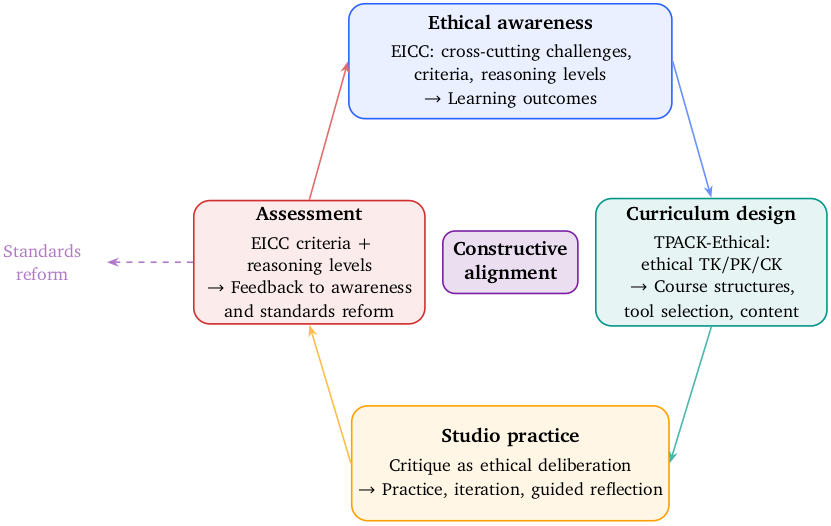
- When machines create, who takes responsibility? An ethical competence framework for graphic design education in the age of generative AI
- Digital transformation of education in Kryvyi Rih, Ukraine (2019-2025): a multi-framework comparative analysis of infrastructure development and digital learning ecosystems
- Encyclopedic web resources and generative artificial intelligence: a methodological dimension
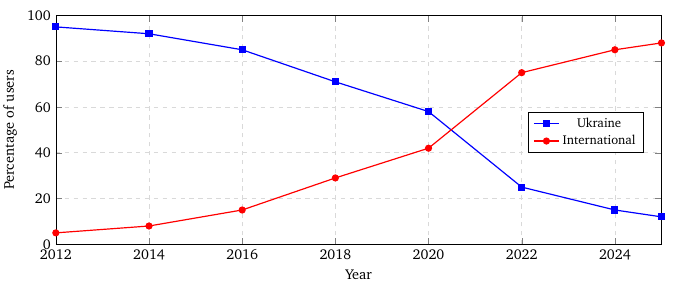
- Behavioral analytics as FAIR impact proxies: a longitudinal study of Digital Library NAES of Ukraine (2012-2025)
- Postgraduate education system as an environment for the development of digital competence of an art teacher
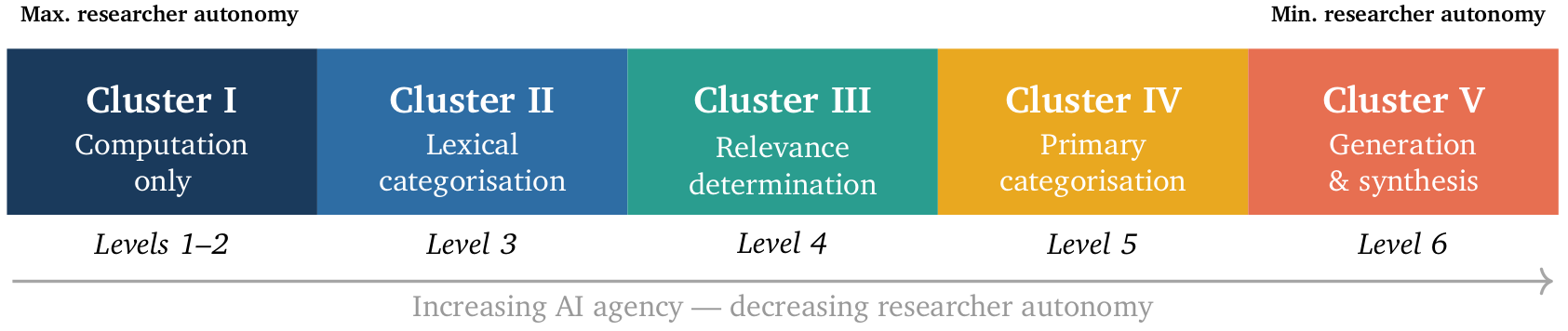
- Classification of artificial intelligence tools for educational research by the criterion of research autonomy
- Reporting AI in education research: a methodological audit of 2025-2026 publications against an adapted TRIPOD-LLM checklist
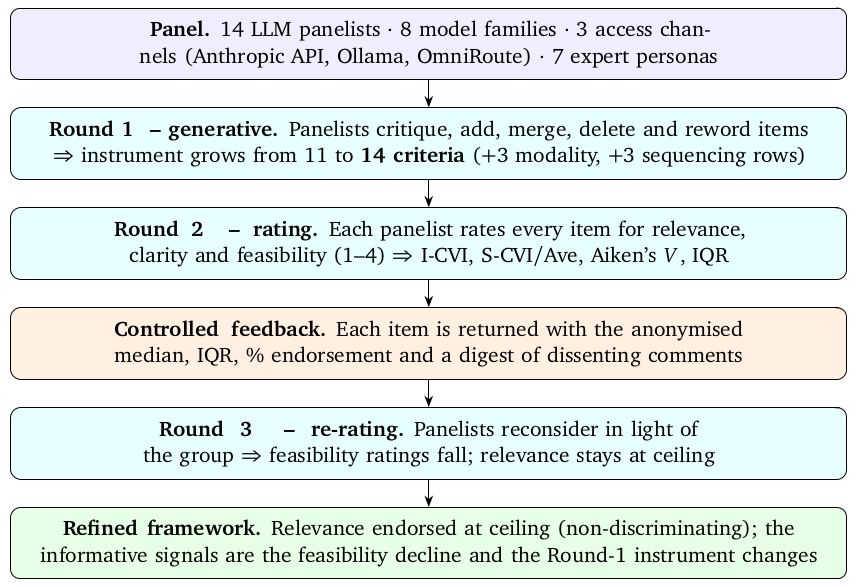
- Designing the content component of immersive blended science learning: a CAMIL-grounded framework refined and pre-validated by a simulated multi-model Delphi panel
- Learners' digital mobility: an evolutionary concept analysis and conceptual framework
- Generative AI as a historical source: source criticism, citation integrity, and the jagged frontier of digital history
- Digital entrepreneurial practices in automobile-transport vocational education
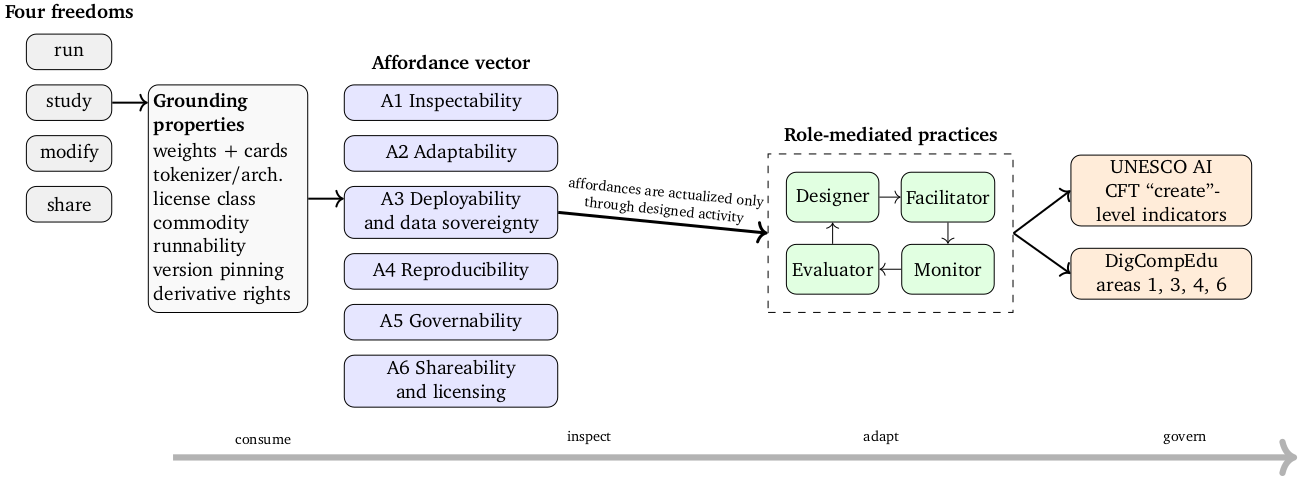
- Openness as a pedagogical affordance: free and open-weight large language models in the preparation of informatics teachers
- Providing scaffolding and feedback when reading authentic texts in the online lessons
- Fixing the leaky pipeline: curriculum misalignment and STEM transition barriers in South Africa - a convergent mixed-methods study
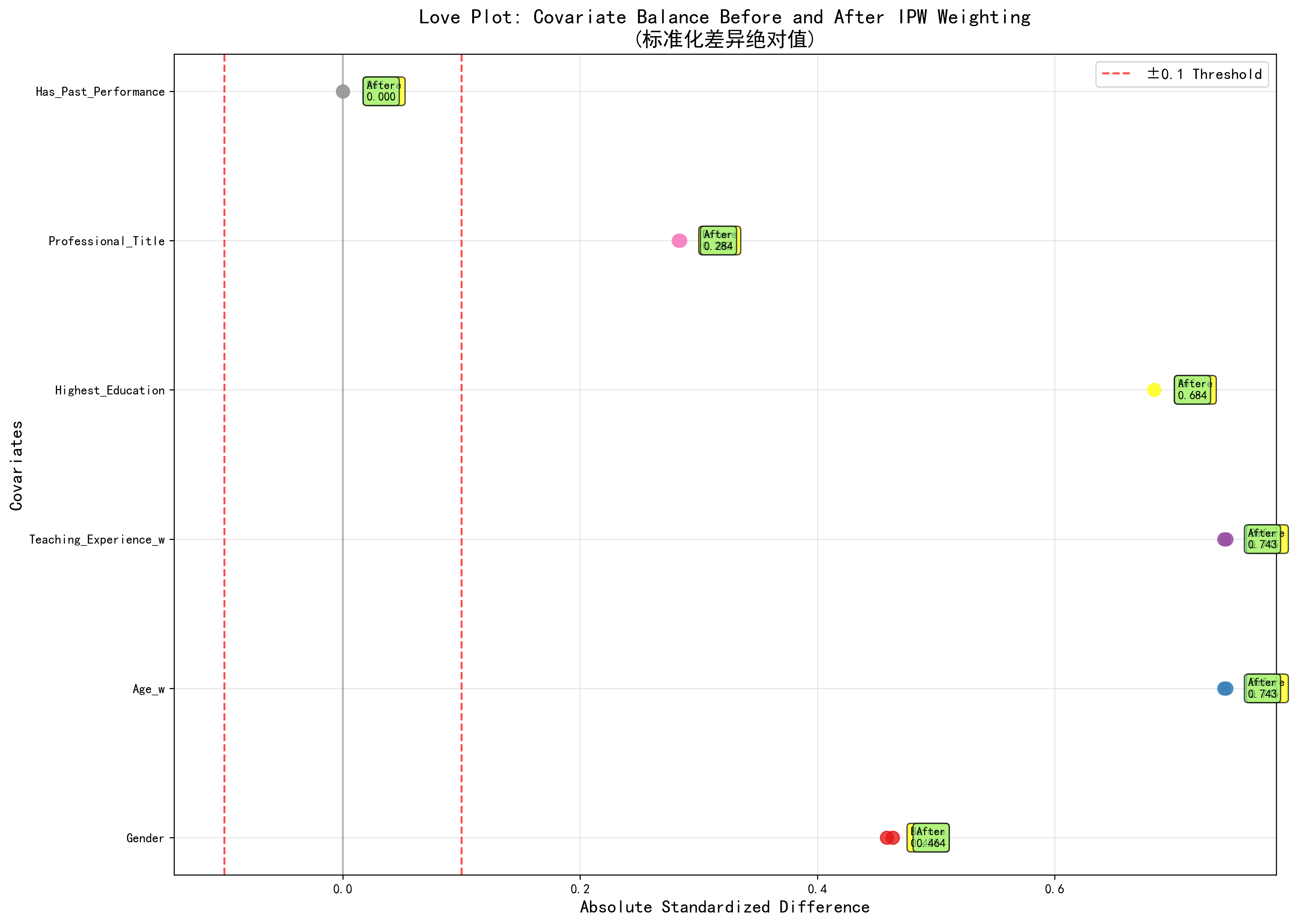
- Teacher evaluation reform under China's "Double Reduction" policy: a quasi-experimental study based on the multi-source process evaluation model
Published:
2026-03-21
-

Artificial intelligence in education and science: imaginary threats or new opportunities?
- Abstract views 451
- PDF views 344
-

The evolution of cloud computing in education: from Hype Cycle to mainstream adoption (2012-2024)
- Abstract views 1147
- PDF views 627
-

Modelling information-communicative competence for AI-era designers
- Abstract views 786
- PDF views 392
-

Integrating ICT in science lessons to promote science teachers' competencies in Tanzania
- Abstract views 405
- PDF views 285
-
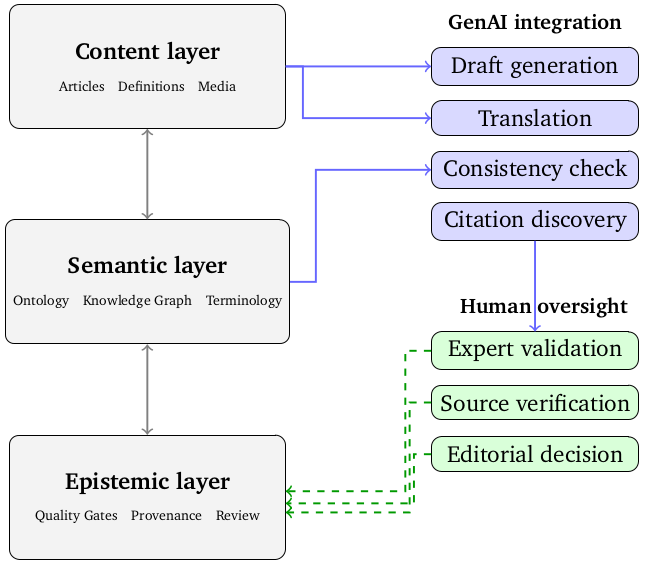
Encyclopedic web resources and generative artificial intelligence: a methodological dimension
- Abstract views 973
- PDF views 239
-

Postgraduate education system as an environment for the development of digital competence of an art teacher
- Abstract views 327
- PDF views 259
-
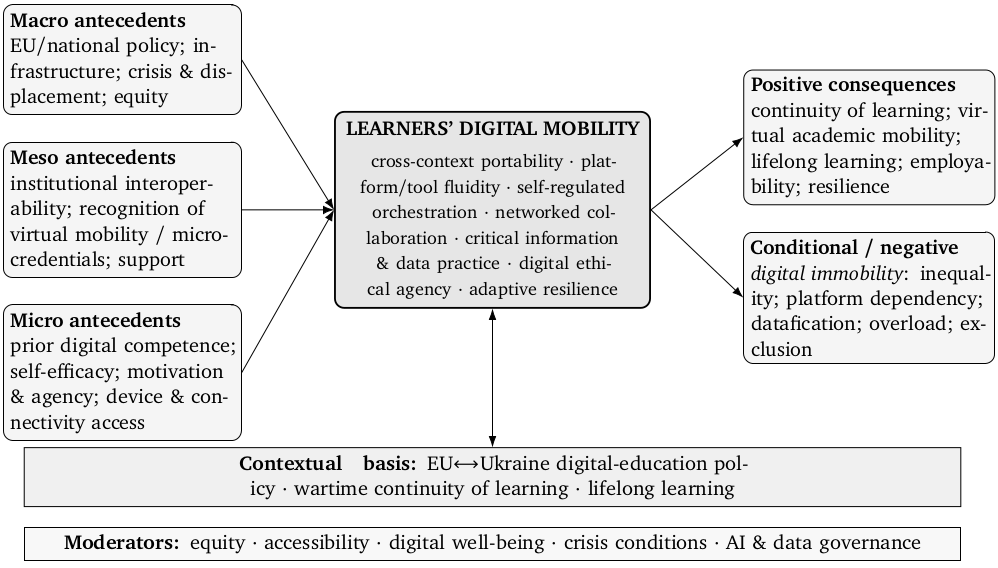
Learners' digital mobility: an evolutionary concept analysis and conceptual framework
- Abstract views 262
- PDF views 141
-
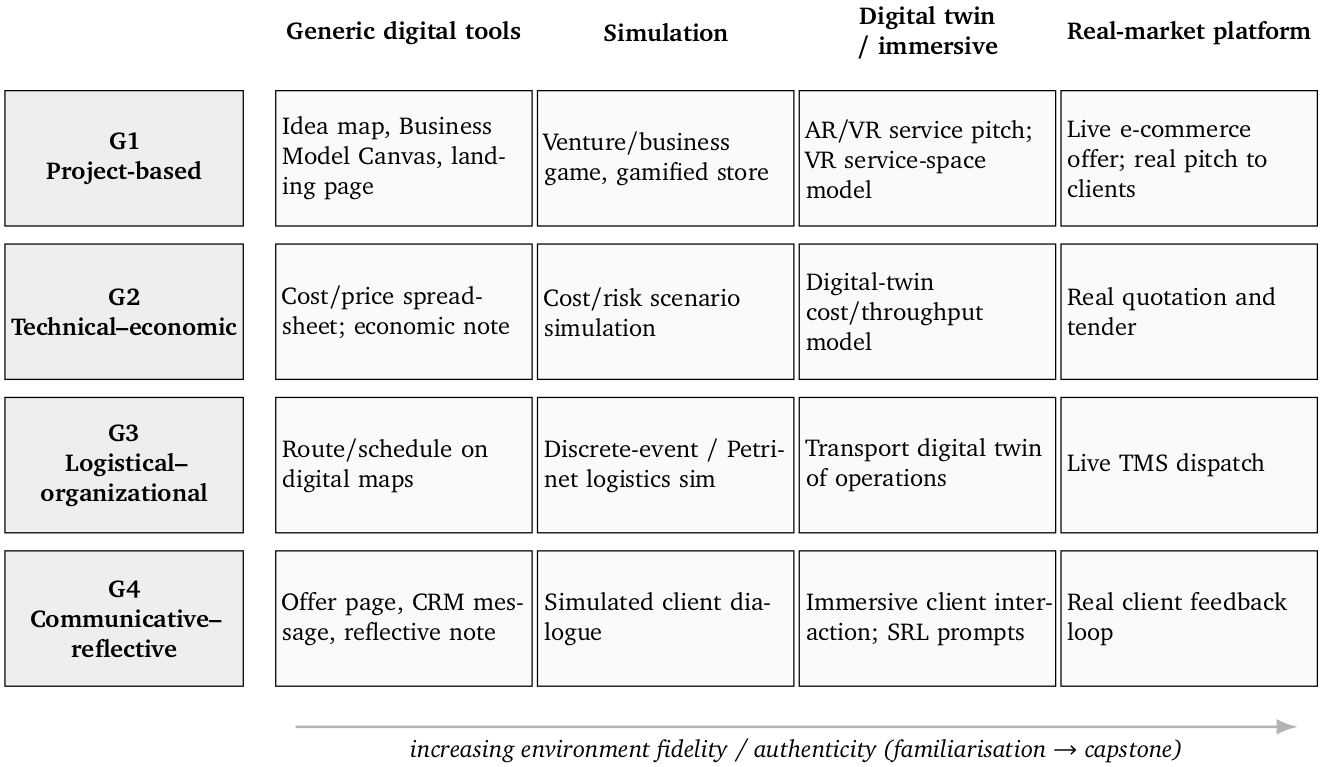
Digital entrepreneurial practices in automobile-transport vocational education
- Abstract views 232
- PDF views 86
-

Providing scaffolding and feedback when reading authentic texts in the online lessons
- Abstract views 185
- PDF views 78