Том 2026 № 1 (2026)
In this issue:
- Methodological quality and reporting practices in gamification research for history education: a critical methodological analysis
- Balancing innovation and mentorship in postgraduate supervision through activity theory and artificial intelligence
- Literature review of e-learning technology adoption in South African rural higher tertiary institutions for teaching and learning
- From algorithms to innovation: pre-service mathematics teachers' perceptions of robotics-enhanced problem-solving instruction
- One click closer: harnessing the power of educational TikTok videos to elevate Filipino language proficiency
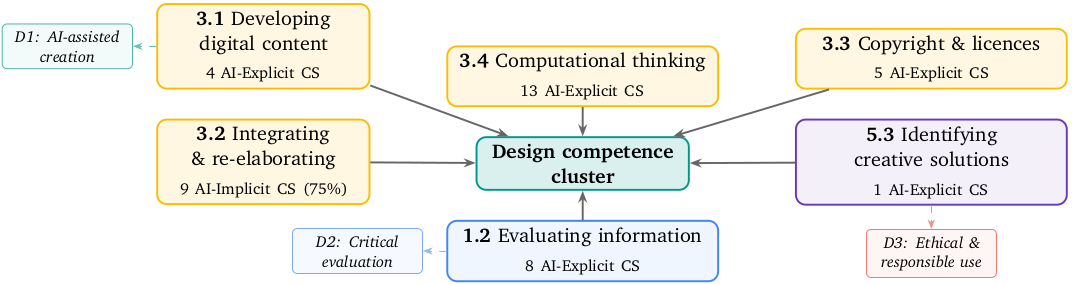
- "We are all designers now": Mapping AI-related design competence for citizens and students through DigComp 3.0
Опубліковано:
2026-03-20