Vol. 2026 No. 3 (2026)
In this issue:
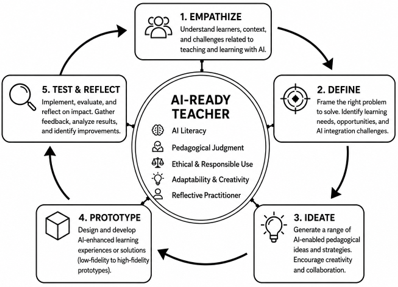
- Design thinking as a framework for developing AI-ready teachers: Introducing the DT-ART model
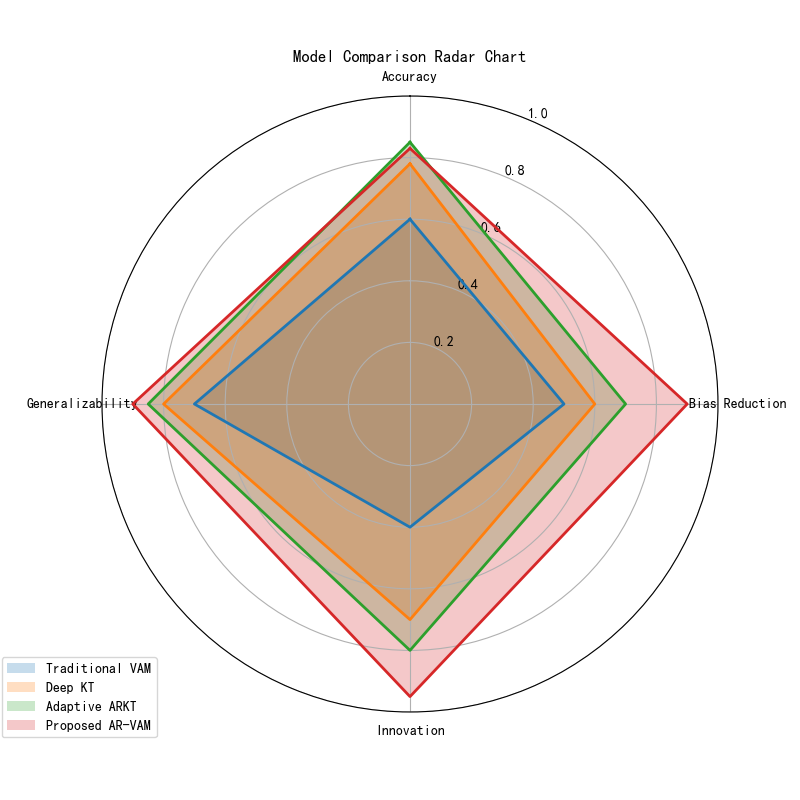
- Enhanced autoregressive value-added model integrating generative AI ethical optimization for fair high school teacher evaluation
- The relationship between perceived gamified learning support, students' motivation, affective engagement, and self-efficacy: A structural equation modelling approach
- Awareness and utilisation of IoT tools for personalised learning among undergraduates at the University of Ibadan, Nigeria
- Entrepreneurship 4.0: Young learners' perspectives on traditional and techno-pedagogical approaches
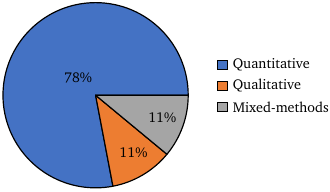
- What influences student satisfaction in online distance e-Learning? A systematic review of evidence from higher education institutions
Published:
2026-09-20